The door is the story. The flyer is an ad.
Cover, ID, list, and the person on the rope — that is the night a guest can verify. The rest is marketing.
By Anthony R. Perlas · September 26, 2026
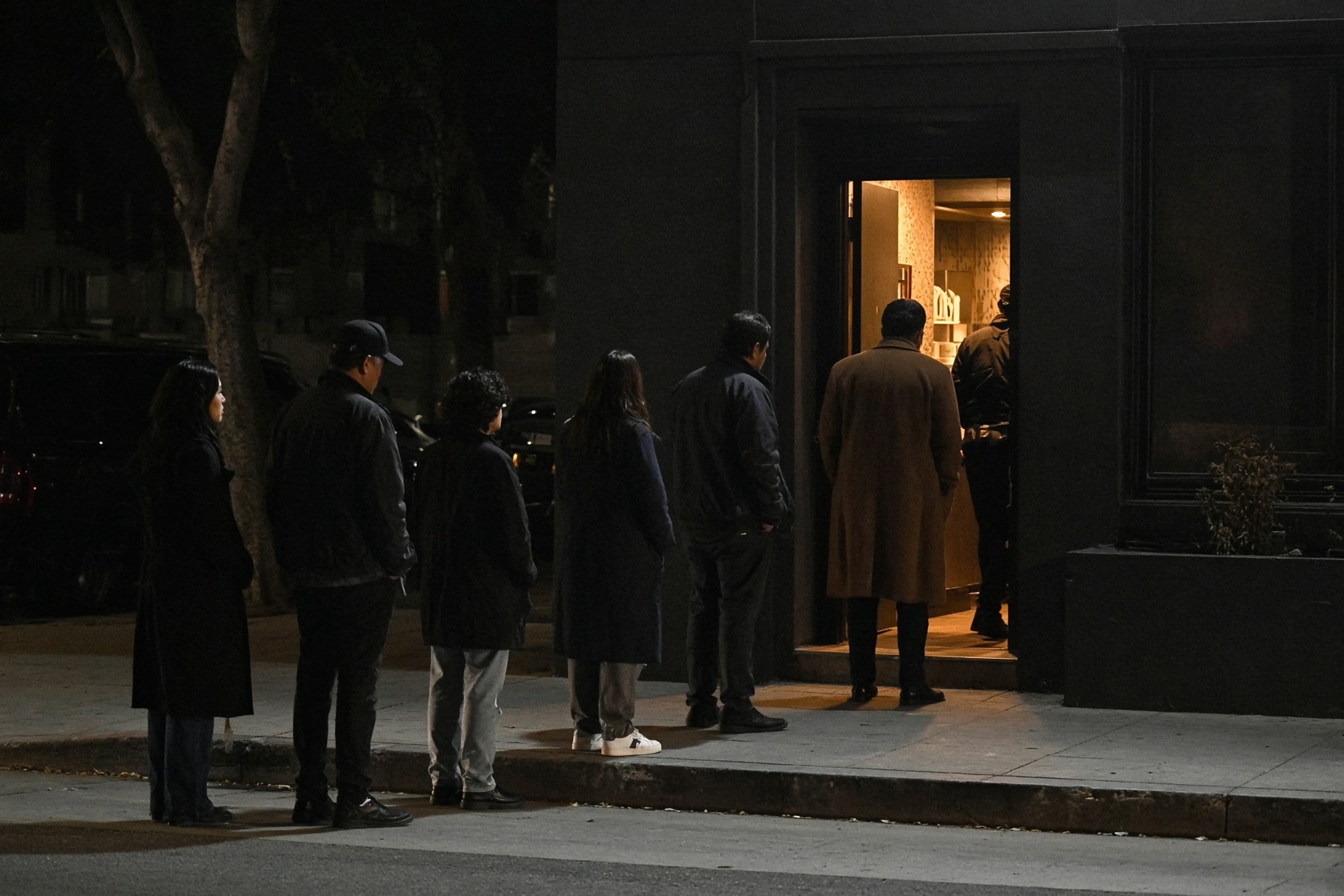
Promos describe a room as if the room were already true. The door is where it becomes true or does not: the age check, the list, the cover, the tone of the person working it.
We treat door notes as reporting, not as a vibe. If a room is 21+, say 21+. If a guest list is real, it has a name attached and a cutoff. If the only confirmation is an automated Instagram reply, that is a script, not a reservation.
Guests can check three things without insider status. One: is the address the address. Two: is the time a door time or a promoter time. Three: who answers when the plan changes. If nobody answers, you do not have a plan.
Operators reading this already know the door is the product. The desk’s job is to say that in public, so guests stop treating a story post as a contract.
A story post is not a cover price, a table, or a promise you will get in.
A fact wrong? The corrections page is the record. Standards explain how the desk files a night.